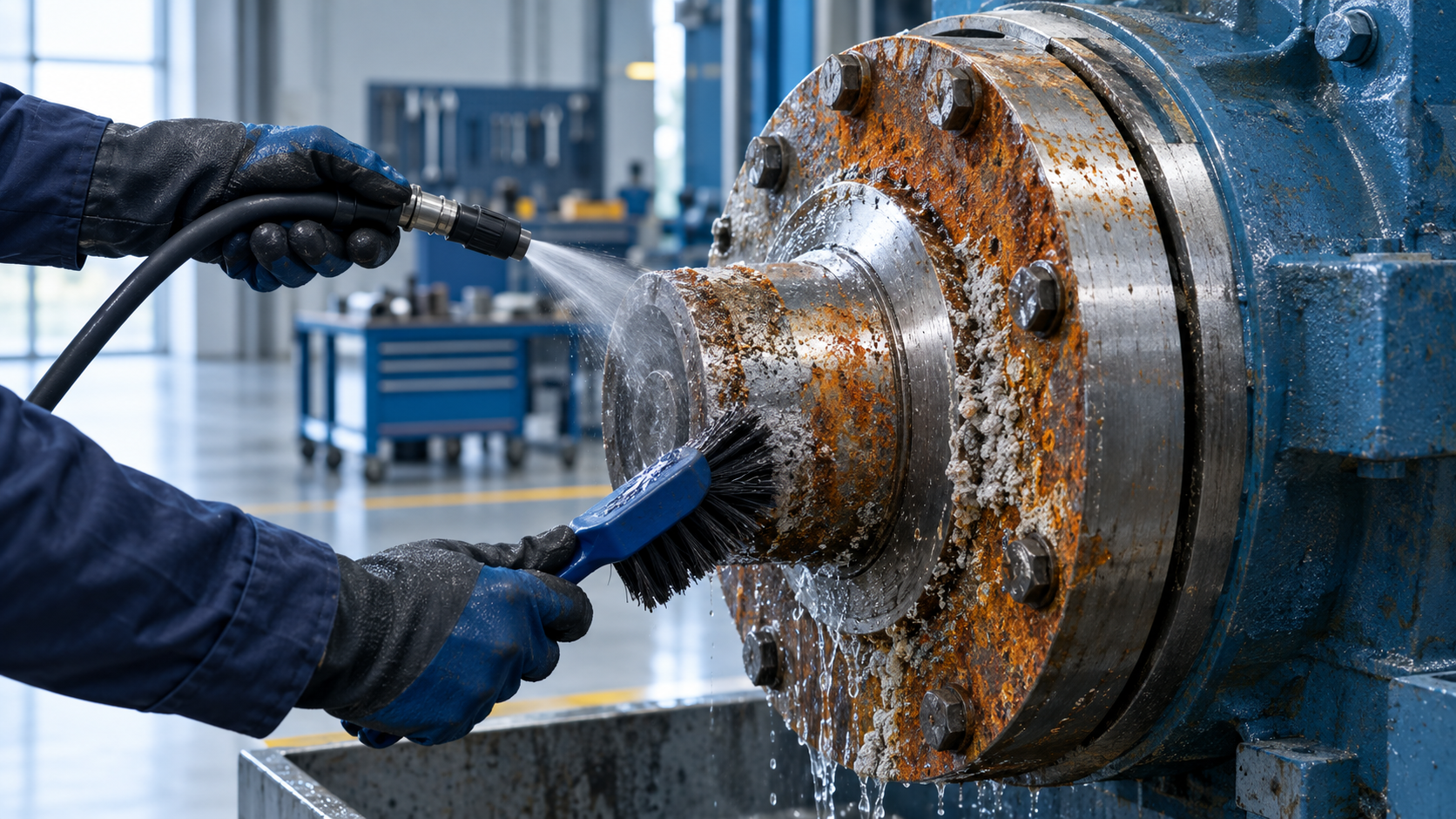
Rust rarely occurs on its own. On a machine that is idle or exposed to moisture, it can coexist with lime, scale, concrete, soot, or grease. For this reason, Barracuda 10K should be evaluated as part of a maintenance procedure and not as a solution without a diagnosis. The goal is to explain a technical method for removing rust and mineral deposits without automatically resorting to hydrochloric acid.
The EMS Cleaning website describes Barracuda 10K as a biodegradable, non-toxic descaler for concrete, lime, scale, soot, and stubborn mineral stains. It states that the product produces no toxic fumes, is non-corrosive, and has a Triple Zero HMIS rating; compare these claims with the MSDS and a real-world test.
1. Why Rust Removal from Machinery Requires a Diagnosis
An orange or brown color does not always indicate the same problem. It could be surface rust on carbon steel, corrosion under scale, an iron stain on stainless steel, or a mineral deposit that traps particles. The answer depends on the thickness, base material, coating, and whether the part is structural, moving, or part of a circuit.
Before choosing a product, it's a good idea to note the following:
- part material: painted steel, stainless steel, aluminum, plastic, glass, or a combination thereof;
- type of visible dirt and the presence of grease, fuel, cement, lime, or scale;
- sensitive areas: gaskets, wiring, bearings, threads, sensors, and polished surfaces;
- access, immersion capability, water intake, and ventilation;
- Acceptance criteria: removing a stain, loosening a thread, restoring a surface, or preparing for an inspection.
A degreaser may be necessary before descaling. Separating the steps with Barracuda 10K prevents chemicals from mixing and makes it easier to explain the results in a work order.
2. What are the advantages of Barracuda 10K compared to hydrochloric acid?
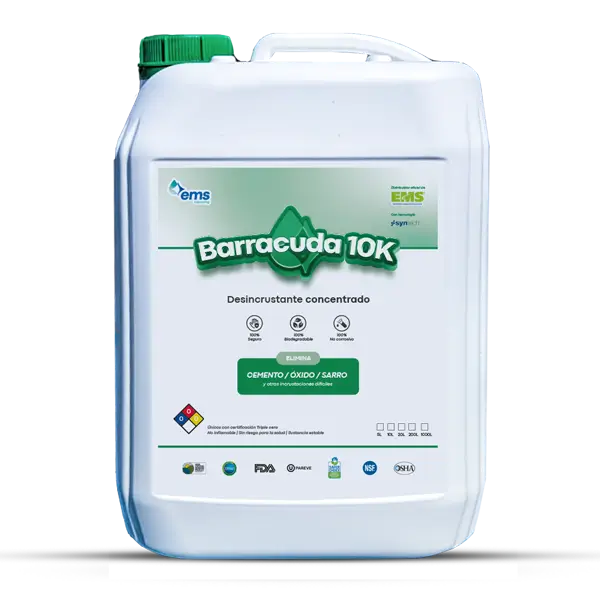
According to EMS Cleaning, Barracuda 10K is formulated with Syntech technology and is designed to remove concrete, lime, scale, soot, and other mineral deposits. The website lists applications in construction, transportation, machinery, industrial plants, food processing, the marine sector, and agriculture. When it comes to rust removal, these are just a starting point: they do not recommend treating any metal or finish without first testing it.
The specifications provided by the manufacturer that are relevant to maintenance are:
- a biodegradable product described as non-toxic;
- non-corrosive, according to the product documentation;
- no toxic vapors reported for the intended use;
- Declared compatibility with paint, chrome, wiring, plastic, aluminum, and glass, always subject to local verification;
- application by spraying or immersion, followed by rinsing with water;
- According to the official website, there is no additional neutralization step, although this does not eliminate the need for discharge monitoring.
A proper comparison applies the same criteria to both methods: deposit removed, material preserved, controlled exposure, managed water, and repeatable results. The current Barracuda 10K data sheet takes precedence over any commercial summary.
Do you have a part with rust, limescale, or mineral deposits?
Please provide details about the material, the type of deposit, and a photo to schedule a localized test with EMS Cleaning.
3. Test protocol for removing rust without hydrochloric acid
A change in chemicals must be documented as a controlled work procedure. The following sequence is used to evaluate Barracuda 10K on a representative sample. Concentrations, exposure times, and protective measures must be taken from the current technical data sheet and MSDS.
Step 1. Isolate, dry-clean, and protect
Shut down the equipment, apply the appropriate lockout, and remove the part if it is safe to do so. Remove loose debris with a brush or compatible scraper, taking care not to scrape the coating unnecessarily. Cover sensors, connectors, bearings, motors, and areas where water could become trapped. Set up containment to prevent the solution and solids from reaching a drain without authorization.
If the part has oil or grease on it, document a separate degreasing step. Do not mix bleach, lye, disinfectant, or acid with Barracuda 10K. Rinsing and removing residues from the previous step is part of the procedure.
Step 2. Confirm the material and select a test point
Choose an inconspicuous area that is representative of the surface to be treated. If the machine is used on multiple materials, conduct separate tests on painted steel, stainless steel, aluminum, plastic, chrome, or glass. Observe the gloss, color, paint adhesion, condition of the seams, and any changes to the surface.
The EMS Cleaning website lists several of these materials as compatible, but published compatibility information does not replace validation of the specific finish. If the origin of the part is unknown or the component is critical, halt the expansion and request technical confirmation.
Step 3. Prepare the solution according to the instructions
Use a compatible container labeled with the product, dilution, date, and person responsible. Select the dilution appropriate for the severity of the deposit and document any changes. Do not estimate a ratio based on the color of the solution, and do not improvise a contact time.
Temperature, agitation, coverage, and geometry can affect the results. The Barracuda 10K data sheet, FDS, and risk assessment must be available.
Step 4. Apply the solution without letting it dry
Apply the product by spraying, brushing, controlled foaming, or immersion, depending on accessibility and the approved procedure. Cover the dirt without wetting components not being tested. Keep the surface damp for the time specified in the data sheet and observe whether the deposit softens.
Use an appropriate mechanical method when the crust requires it: a brush, sponge, putty knife, or approved tool. Do not apply pressure that could deform a joint or peel off paint. If the first application does not meet the criteria, record the thickness, dilution, and method before changing any variable.
Step 5. Clarify and review the retention areas
Rinse the product with a compatible, controlled water source. Inspect threads, joints, welds, cavities, channels, and the back of the part. Recover any solids and document the disposal of the rinse water.
The inspection must compare the initial and final conditions from the same angle. Check for any loose rust, film, white residue, or discoloration. If the part is to be returned to service, follow the drying, lubrication, or rust prevention procedure appropriate for the equipment.
4. Technical Comparison of Deoxidation Methods
This table is not a substitute for an SDS, a risk assessment, or an environmental permit. It summarizes what needs to be checked before choosing Barracuda 10K.
| Criterion | Hydrochloric acid / muriatic acid | Barracuda 10K |
|---|---|---|
| Objective | It can act on mineral deposits; this depends on the formulation and the surface | Concrete, lime, scale, soot, and other deposits, according to EMS Cleaning |
| Rust and mineral stains | Assess corrosion reaction, substrate, and risk | The product description mentions rust and stubborn mineral stains; verify the actual case |
| Materials | Compatibility on a case-by-case basis, especially with metals and finishes | The spec sheet lists paint, chrome, wiring, plastic, aluminum, and glass; test it |
| Vapors | Requires exposure control and ventilation | The product documentation states that there are no toxic vapors |
| Corrosion | The metal, joints, paint, and components must be inspected | It is described as non-corrosive; confirm by conducting a spot test |
| Application | Follow the label, MSDS, and procedures specific to the product | Spraying or immersion, followed by rinsing |
| Neutralization | Define it in the procedure and in the discharge plan | The official website states that no additional steps are required; please confirm with the center |
| Decision | Keep only if it meets safety, material, and performance standards | Adopt only after conducting a representative and documented test |
A comparison chart does not turn a marketing claim into a guarantee. The decision is based on a test with witnesses: an equivalent item, comparable soiling, a defined method, and clear criteria.
5. Applications in Machinery, Transportation, and Construction
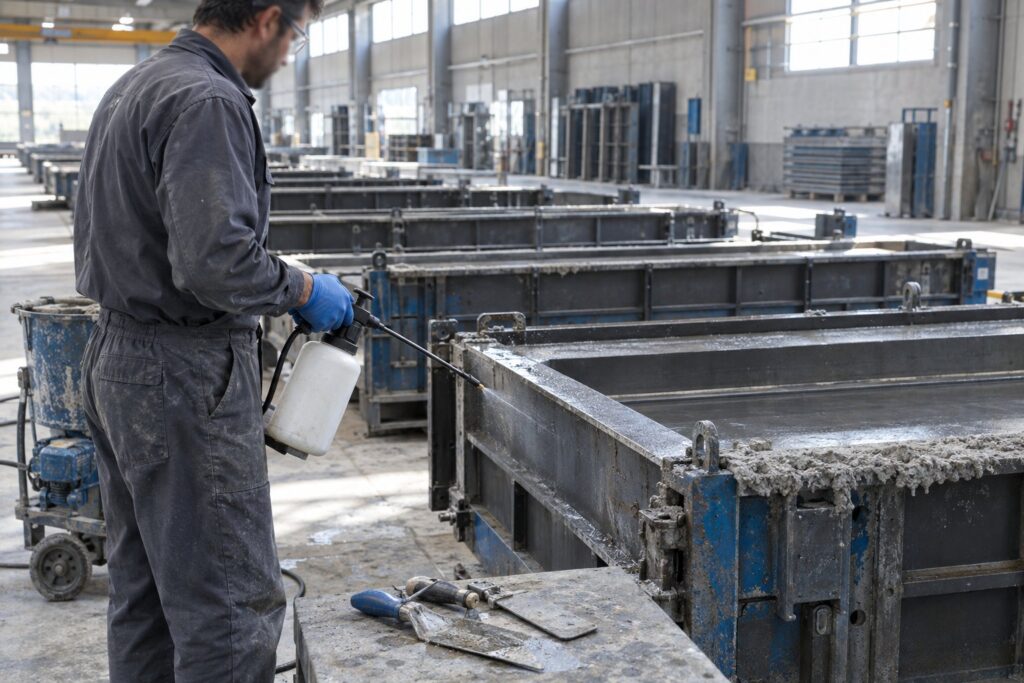
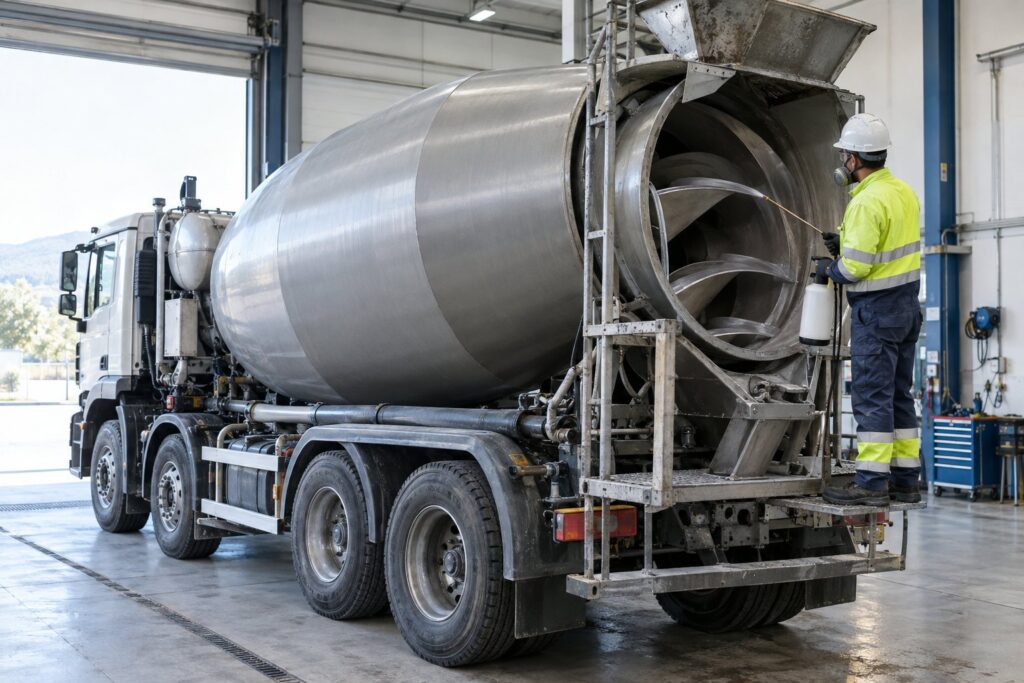
In construction machinery, Barracuda 10K can be found in tools, molds, portable mixers, chutes, or removable components containing mineral residues. Isolate the equipment so that the liquid does not come into contact with the electrical system, lubricants, or the ground. In transportation, check paint, chrome plating, wiring, plastics, and aluminum: a metal surface may have a sensitive coating.
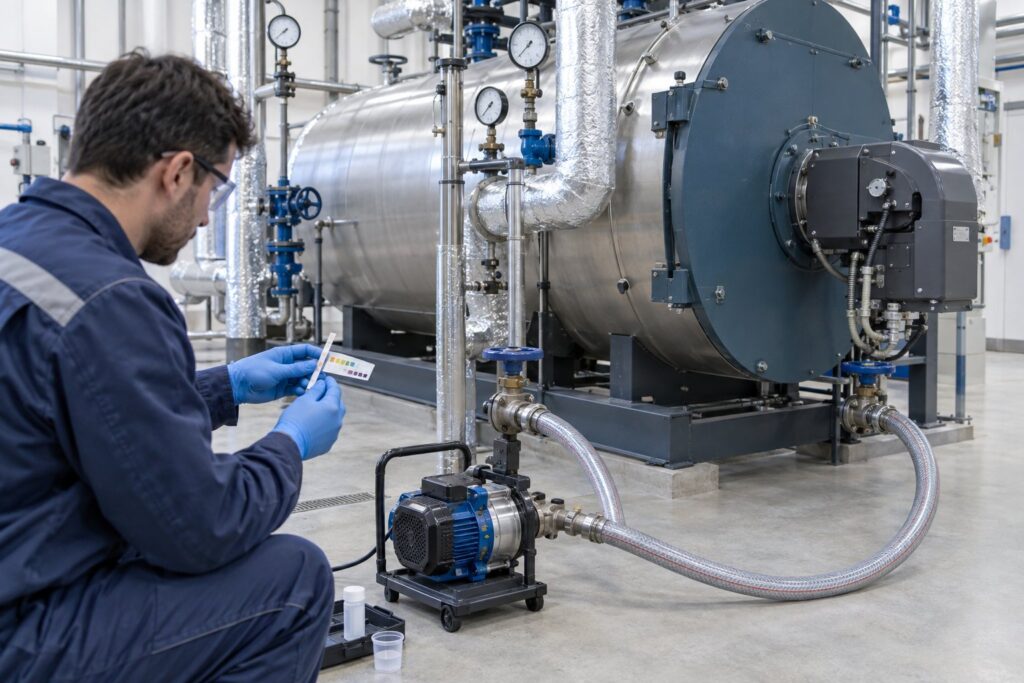
In industrial plants, geometry is key. A removable part can be treated by immersion, while a fixed structure requires controlled spraying and collection. In pipes, heat exchangers, or closed circuits, it is necessary to check circulation, return flow, seals, drainage, and the absence of residue before returning the equipment to the process.
The official website lists the food industry, restaurants, and ultrasound machines among the applications. That does not make cleaning a production line a generic task: in a food-processing environment, the procedure must include isolation, rinsing, decontamination, prevention of cross-contamination, and record-keeping in accordance with HACCP. Also validate the tank and the ultrasound components.
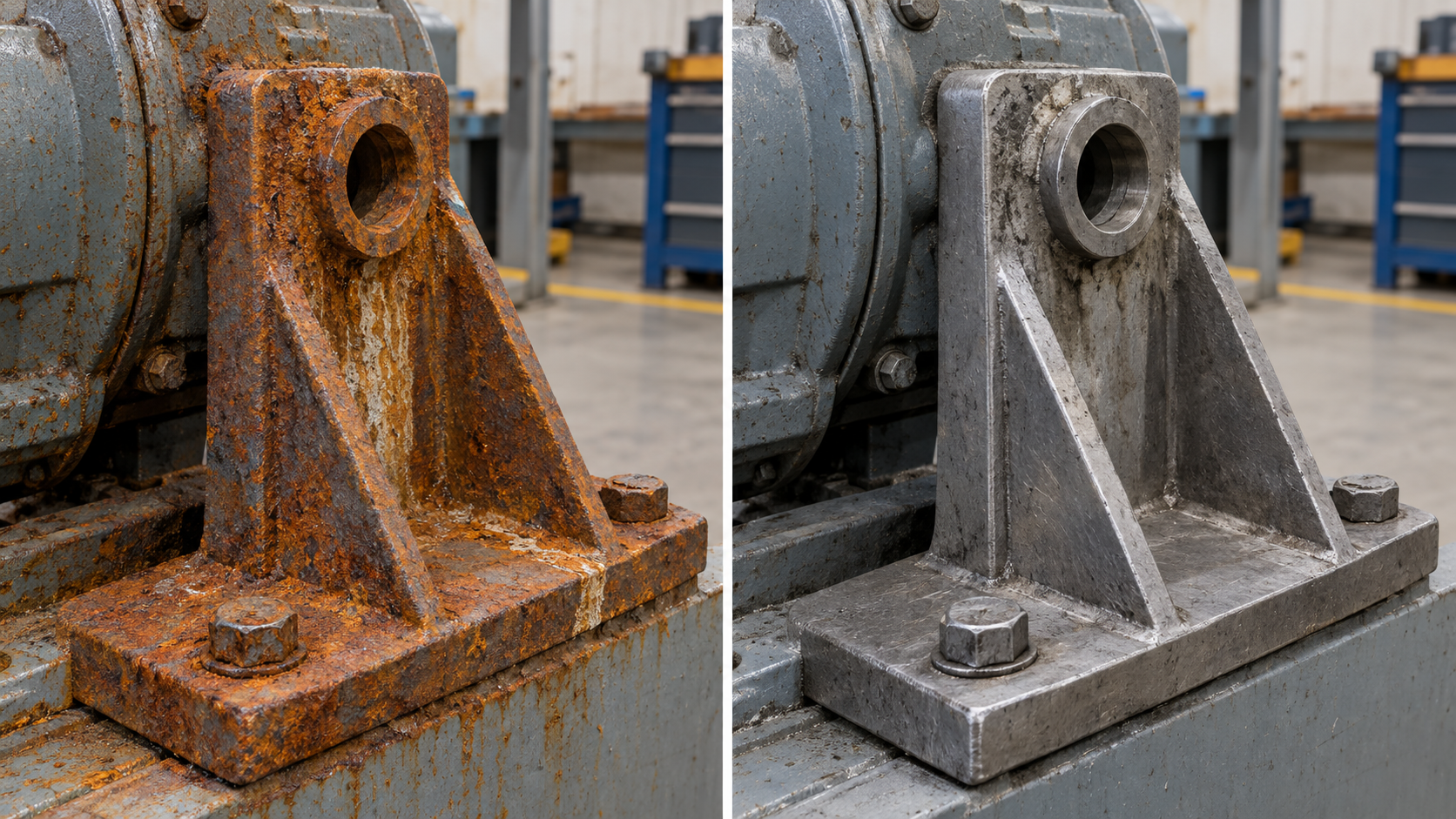
The before-and-after image is an editorial illustration, not a measurement. For your records, keep actual photos, the development sheet, dilution, contact sheet, rinse, and inspection.
6. Safety, REACH, CLP, and Water Management
A product described as biodegradable or non-corrosive does not mean you can neglect safety precautions. For Barracuda 10K, keep the current MSDS and safety data sheet on hand, check the labeling, and specify gloves, eye protection, clothing, ventilation, and procedures for handling splashes. The Triple Zero HMIS classification provided by EMS Cleaning should be read in conjunction with the applicable official documentation.
The substitution of Barracuda 10K must be documented: reason, material, test area, dilution, contact, result, and decision. The REACH and CLP review is based on the composition and actual use; simply copying a sentence from a website is not sufficient.
Rinse water may contain loose rust, mineral particles, oil, or residues from other processes. Recover solids, control runoff, and check the facility’s discharge permit. “Biodegradable” does not mean you have automatic permission to discharge any solution into a drain. Environmental approval must take into account the product, the contaminants, and the discharge location.
7. Frequently Asked Questions About Barracuda 10K
Does Barracuda 10K always replace hydrochloric acid?
No. EMS Cleaning recommends this method for mineral deposits, concrete, lime, scale, soot, and stubborn stains, but the choice depends on the material, coating, thickness, and acceptance criteria. Conduct a spot test before implementing it as a standard procedure.
What dilution and contact time should I use?
The concentration and time should be taken from the current data sheet and the approved instructions. Do not extrapolate a ratio from one machine to another. Keep the surface moist, record the variables, and change one condition at a time.
Can it be applied to aluminum, paint, or plastic?
The product documentation lists paint, chrome, wiring, plastic, aluminum, and glass among the materials that can be treated. The actual finish may differ. Test the product on an inconspicuous area and stop if you notice any changes in color, gloss, adhesion, or texture.
Do I need to degrease it first?
If there is oil, grease, or fuel present, separate the degreasing step from the descaling step. Barracuda 10K is designed to remove mineral deposits and does not convert a greasy film into a clean surface. Remove and rinse off the first step before applying the second, without mixing the products.
Can it be used in food processing equipment or with ultrasound?
The EMS Cleaning website mentions the food industry, restaurants, and ultrasonic machines. In both cases, specific validation is required: isolation, materials, rinsing, release, and documentation. When in contact with food, the procedure must be integrated into the facility’s HACCP system.
Would you like to validate Barracuda 10K as part of your maintenance process?
Please specify the material, the type of rust or scale, the equipment, and the current method so that we can prepare a technical evaluation.
Conclusion
Removing rust from machinery without hydrochloric acid requires more than just swapping one label for another. The method must begin with a diagnosis, continue with a localized test, and conclude with rinsing, inspection, and documentation. Barracuda 10K may be appropriate when the problem involves a combination of rust, lime, scale, concrete, or other mineral deposits, and when the surface is compatible with the validated use.
The responsible course of action is to keep records of the initial condition, materials, solution, contact, rinsing, results, and water management for Barracuda 10K. This allows for a comparison of the method without promising universal effectiveness or neglecting safety requirements.
Technical source: EMS Cleaning's official Barracuda 10K webpage.